Showing posts with label birth. Show all posts
Monday, November 14, 2016
Asher's Birth
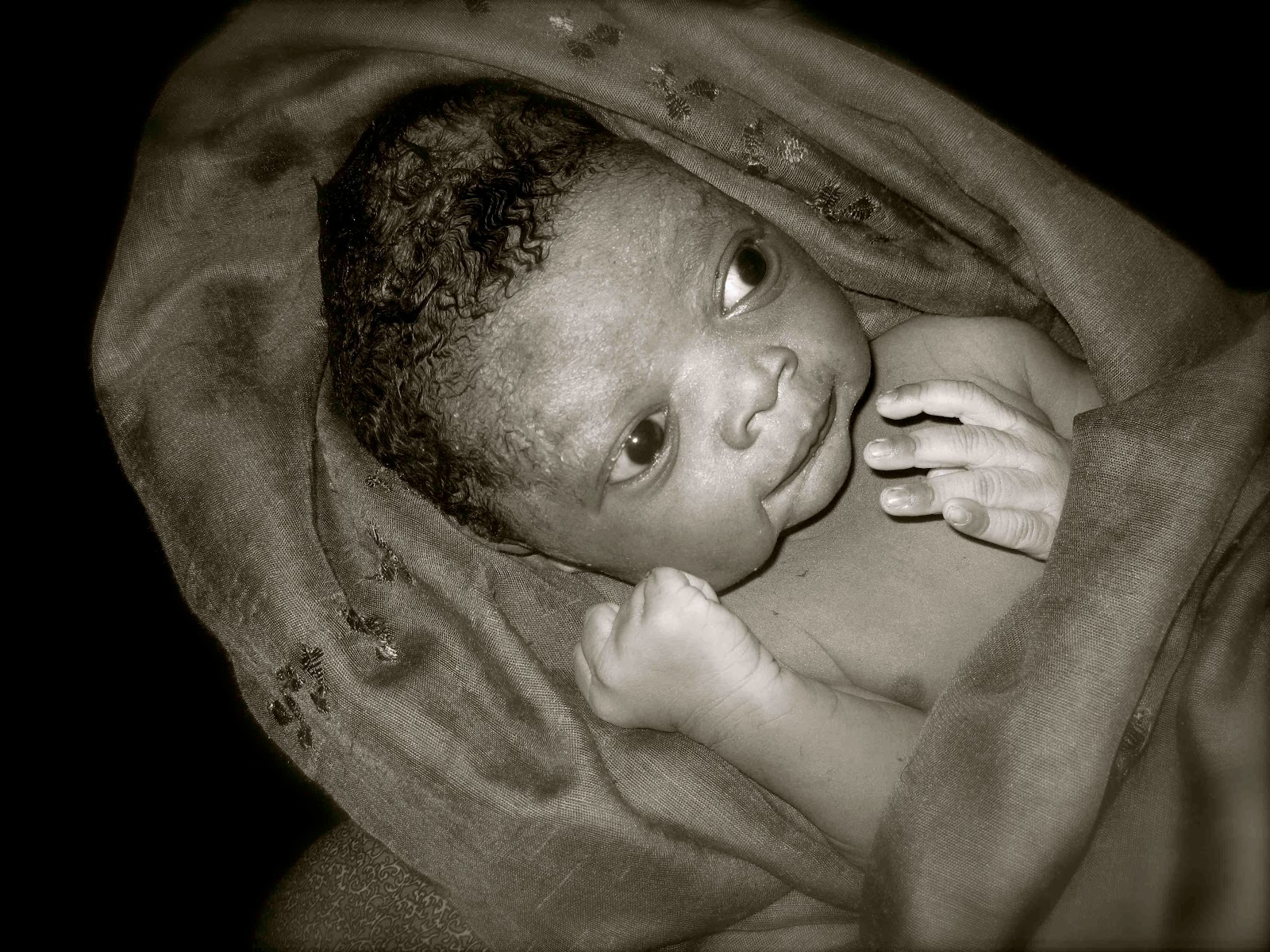
A few weeks back I had the joy of helping some friends welcome their third child (and first boy!) into the world. Since the clinic was not open yet (more paperwork delays) and they were open to the possibility, we decided to have a homebirth!
The best part about it was how active and helpful the father-to-be was through it all. He helped labor watch, massaged her back, brought her water, encouraged her throughout.
It was a challenging birth and from the beginning showed possible indications for transport. However, this couple was prayerful and expectant. Together we were able to watch God move on our behalf!
The joy in the room when Asher made his first cry was tremendous! The praises and prayers that filled the room still fill my heart.
Praise God with me for such a lovely memory and wonderful promise of good things to come!
Thursday, May 28, 2015
Maternity Ward Observational
During my two week stay at the maternity ward as a clinical instructor, I had the opportunity to note some interesting cultural observations.
Day after day, I'd arrive at the maternity center with students in tow to find a number of first-time mothers in labour. Usually, the first-time mothers laboured the longest, while the multigravidas (aka: women pregnant for the second or more times) came much later in labour.
One G2 (aka: mother for the second time) came striding in, calm as the sea after a storm, only to discover she was fully dilated. She delivered (to my and my students dismay) while we were out of the room. It took her less than five minutes from beginning to end.
But labours like hers were not the norm. Most of the women who laboured and delivered there were first-time mothers-to-be. They arrived after the first or second contractions and then stayed until the baby was born.
For some this was quick. However more often than not, they were there for the long haul. One young girl (having more than likely braxton-hicks contractions) had arrived three days before. She had not had contractions in over two days, but she was not discharged nor did she seem interested in leaving. For the life of me, I am not sure why.
Several women came in at 1 or 2 cms dilated and chose to stay. The maternity ward was bustling but they did not seem to mind. They waddled around and watched as others delivered around them one by one.
When it was their turn to push, they were watched as well.
A lot of the first-time moms had hypertonic (aka: abnormally strong) contractions even though they were only 2 cms dilated.
After talking with the staff about it, I discovered that it was common for women to try and induce labour by drinking traditional herbs. These herbs cause painful and frequent contractions that don't always dilate the cervix. I saw similar things in the Philippines.
One nurse tsked their use of herbs, explaining that usually the ineffective contractions led to exhaustion, an inevitable referral to the hospital, and an (avoidable) cesarean for fetal distress.
I also saw things done by the staff that caused me to pause.
One nurse sutured a woman up without using local anesthetic. Naturally the woman cried out in pain with each stitch. Meanwhile the nurse yelled and berated her for making so much noise. I didn't stay to watch. I couldn't.
One day while evaluating one of the labours, I noticed her family had purchased cytotec. When I asked her about it, she informed me the nurse had insisted she buy it. The nurse denied this since she was already well advanced in labour. However when I inquired the woman's family about it again later, they presented me with the prescription the nurse had given her. I never saw what the nurse did with those drugs but they were certainly not for the woman who purchased them.
I also saw a nurse be given a 'gift' of a capulana (a traditional cloth) at one point. She hurriedly rushed to put it away in her purse as the gift-giver went back to her friend in labour. I had been told that such 'gifts' were expected by the nursing staff but I confess I was still disappointed to see it.
Wednesday, May 6, 2015
Multiparity
The last two weeks of May involved teaching at a maternity ward downtown. My job was to help introduce fourth year medical students to 'normal' birth. Much of our time was spent labour watching, timing contractions, evaluating fetal heart tones, and palpating fetal positions. However, we also got to do a number of newborn exams and assist in a few births.
One day we arrived to find a young woman occupying one of the labour beds. Naturally, we assumed she was pregnant (as her fundal height was marked), so I told two of the students to time her contractions. Ten minutes later when I came back to see how things were going, I was informed she was not in labour and that her babies were in the other room.
So I instructed them to get her obstetrical history instead.
The new mother explained that she was a 20-years-old mother of six. Earlier that day, she had delivered twins at home. She came to the maternity ward for the birth certificate but did not seem very interested in any other service. Since her babies (a boy and a girl) were cold and covered in sand, the nursing staff had taken them for evaluation and placed them in a warmer.
The mother explained that she had delivered her first child at the age of 11 and that her previous four pregnancies were simple. This was her first set of twins, however.
She didn't want to talk much about the particulars, so we didn't press her for more information. Although I know 11-year-olds can get pregnant, my heart hurts to think that this mother has so many mouths to feed and so much responsibility... at such a young age.
What were you doing at the age of 20?
Monday, January 21, 2013
Video: The Beautiful and Efficient Anatomy of Pregnancy
In this video Alexander Tsiaras, a mathematician from Yale, speaks about what was seen when they scanned the development of the fetus during birth. It's extraordinary! A must watch.
Saturday, April 7, 2012
Handing-Over.
When I got back to Tonj to pack my things, I met Annie. She is one of the Kenyan nurse-midwife hired to replace me. That first night I didn’t have much time to talk, but by morning I was bursting with things to say.
It was handing-over time.
But how do I tell her two years worth of lessons in three days? How do I show her all the birthing positions and Dinka preferences? How do I explain the superstitions in such a way that she’d understand?
How?
But I was soon to learn that Annie was as keen to learn as I was to teach.
What a blessing!
That first morning as I walked Annie through the prenatal system and explained the medicines used, I rambled on and on about the beliefs and practices I’d seen over the years.
I wanted so much for her to learn and accept the Dinka’s traditions. Knowing that the biggest hurdle she’d encounter would be the Dinka birthing positions, I started there.
-- “The women here have many birthing preferences,” I started to explain, “If you respect them, they will flock to deliver with you. If you don’t, they’ll disappear.”
She nodded pleasantly in response, then asked, “What are these preferences?”
-- “Well... to start, they give birth on their knees...” I paused to watch her face, knowing full-well that such an idea can be strange for most African-trained nurses.
-- “Their knees!” she half laughed, half gauffed, “Why do they do that?”
![]() |
| Annie and Margaret during devotions. |
-- “Okay,” she finally agreed, “but I have never delivered a baby like that... how do you do it?”
Relieved that she was at least willing, I explained the hows and what-nots involved.
She listened attentively, but I could see it was well past her comfort zone. Finally, I added, “Perhaps we’ll have a birth together before I leave. If so, call for me and I’ll show you what I mean.”
She readily agreed and I continued her orientation. There was so much to tell her... and so little time.
I prayed we’d have a birth together for two reasons. One, I desperately wanted to show her how easy it was to deliver a baby in that position. And two, I selfishly desired one last birth in South Sudan.
Our chance came the following night, when I heard a slight knock at my door. It was Annie.
-- “A mama has come in labor,” she started. “I know it’s late, but I’d love if you’d show me how things are done.”
To hear her speak in such a way melted my heart. I could see that she genuinely wanted to work in a culturally sensitive way. Smiling, I agreed to come right over.
My scrubs were packed so I slipped into my jeans and headed over.
Sure it was 1 a.m. and I was tired from my constant packing, but I could think of no place I’d rather be.
Blessed by her eagerness, I talked Annie through the birthing customs as we labor watched. Describing a kneeling birth is harder than I thought. It’s truly a watch-what-I-do kind of thing.
So as the laboring mama progressed from 8 cm to fully, I taught Annie the questions to ask and how to set up the room.
Our labor, Ajak, was expecting her 8th child. Her first seven were all delivered at home, but this time she had decided to deliver with us. I was honored by this choice as it revealed the depth of trust we’d developed in the community over the years.
Her friend, a woman I’d seen many times before, acted as her doula. She never left her side, encouraging Dinka style with sharp comments and disapproving clicks of her tongue.
Ajak’s labor was slow to progress, and her doula-friend disapproved. She kept clicking her tongue impatiently, and speaking gruff remarks. After the third negative comment, I had had enough and I turned to her and asked, “Why are you so upset?”
She looked at me in confusion, so I continued on. “Right now, Ajak is having a normal labor. Everything is okay. I need you to know that so you do not worry... or make her worry.”
I smiled politely while I spoke, but my words were sharp. “Please, if you stay in this room, be happy with your words... I don’t want her to think things are wrong when they are not.”
Her doula friend smiled in agreement, explaining she was tired. Looking around the room, we all laughed with her, and agreed that three o-clock in the morning was rough.
Annie silently took it all in. No doubt watching Ajak labor on the floor was new to her, but she embraced it.
I loved her for this.
We talked softly as Ajak moved about. After several hours, she was finally ready to push. So I asked her, “How do you want to deliver --on the bed or on the floor?”
She looked up at me in surprise, eyes flashing in relief and respect. But she didn’t answer. I could see she was hesitant to speak, so I asked again.
-- “Ajak, do you prefer to give birth on your back or kneeling?”
-- “Kneeling,” she whispered with a smile. Her whole body relaxed at the thought.
I smiled with her, then glanced in Annie’s direction.
--Excellent!
When it came time to push, Ajak started crawling the room in pain and complaining her hips ached. So I applied pressure and massaged where I could. Eventually she fell to her hands and knees and rocked a bit.
It was close.
Annie sat in the corner of the room wide-eyed in wonder. She looked hesitant and nervous, but hid it well. Ajak was silent but active --very active.
Suddenly there was a noticeable change in her grunts. It was time.
Since she was already on the floor, I slipped a pad under her and seconds later her little girl was in my hands.
I had Ajak sit down on the pad to wait for the placenta, as our translator milled about handing me things. Her girl was healthy and strong; she yelped sporadically as I wiped her off. Trying to keep her warm, I covered her tiny frame and waited.
As we waited I continued to teach Annie the Dinka birthing traditions (as there are as many for after the birth as there are during).
With time, the placenta was born and we cut the cord. Weighing her and wrapping her tightly in a blanket, I handed her over to Ajak's doula-friend.
She started complaining that she had spittle in her mouth, but then caught herself. Apologizing, she stopped half way through and smiled at me. “I won’t be negative anymore,” she told me with a smile that reached her eyes, “because I see that with you I don’t have to worry.”
What a blessing!
I continued to teach Annie the ropes while Ajak breastfed on the floor. At one point, she looked up at me glowing and said, “I’m so happy.”
I smiled back and told her I was happy too --so very happy!
I’m happy I got to be a part of one last birth before I left. I’m happy I got to show Annie the typical birthing style as well. But more than anything, I’m happy Ajak got to deliver in a way that made her happy.
Lord, bless Annie and Axilla (the other midwife that came a bit later on). Help them to love the women well. Teach them how to be culturally sensitive to the Dinka traditions. Bless them, Lord. And use them powerfully for Your glory. Amen.
Ajak was my 230th birth in South Sudan. I’m going to miss them.
Sunday, February 26, 2012
Aluak’s story.
Where do I start?
Do I start with the fact she was only 16 years old? Do I start with her scared eyes and obvious pain? Do I start with her partially blind grandmother who gnawed on her lower lip while telling me her story?
Seriously. Where do I start?
I think the best place to start is with the facts.
Age: 16 years old
G/P status: Primip (or first baby)
Village: Thiet (20 kilometers away)
Fundal Height: 31 cm, but irregularly shaped
Position: ROA
Fetal Heart Tones: 204 bpm
LMP: sometime in June 2011
Gestational Age: roughly nine months
Vitals: BP normal but running a low grade fever
Complaints: (according to her family)
As I gathered these facts, two things stood out above all the rest. She was exhausted, and her bladder bulged painfully above her pubic bone --which was the likely cause of the obstructed birth. The only way to find out, would be to catheterize her.
Her exhaustion was due in part to her long labor, but it was compounded by the fact she was denied food and water during labor.
-- “Aluak, are you thirsty?”
-- “Yes. Very thirsty.”
-- “When was the last time you took water?”
-- “A day and a half ago....”
I had her sit up while I gave her water to drink, saying, “You need water in labor. It’s very important... I know some people tell you not to drink. But that is wrong. Very wrong. You need lots of water for your muscles to work right. Do you understand?”
I was saying it more for her family than for her. I don’t think she was at a point of understanding much of anything. Too much pain... for way too long...
As I continued to review her I noticed that her baby’s head could most definitely be seen. In fact, a large caput had formed, and it protruded conspicuously from her body.
What worried me most though were the heart tones. When I first heard them, I could not believe they were actually the baby’s; they were just too fast.
The baby was stressed out and in pain... and his tiny heart sped chaotically in protest.
Fetal heart tones should be no higher than 160 bpm. His was 204, 208, 212 bpm.
-- “Aluak, your baby is alive. But he is telling me he is not happy.”
She looked at me in confusion. So I went on.
-- “What I am saying is... your baby is not well. He might die. Do you understand?”
She continued to look at me blankly, so I turned to her mother.
-- “The baby is sick. Do you understand? The baby could possibly die....”
She locked eyes with me, nodded briefly, but said nothing.
While I started an IV, Margaret catheterized Aluak. She removed about 300 cc of urine which instantly gave some relief. But there was still the issue of the birth. Would she be able to deliver now that her bladder was out of the way? There was only one way to find out.
Once we re-hydrated her, we decided it would be best to augment her contractions (which were frequent but short). It didn’t take long for the medicine to work, and what with her bladder no longer holding things up, she was able to deliver naturally a few minutes later.
Her boy was born flat and we started resuscitating immediately. Margaret worked on him with speed and determination. He slowly recovered, and by 15 minutes postpartum, was stable. (His Apgars were 3/5/7.)
We kept him on oxygen until his respirations and heart rate lowered to a reasonable range. He did not seem particularly interested in crying which concerned me, however not long afterward, he started breastfeeding on his own, so I relaxed a bit.
He wasn’t my only concern however. Although Aluak lost little blood postpartum, she seemed to be leaking an unusual amount of urine. It was unlike anything I’d seen before. I fretted over it thinking it must be a fistula.... but did they form that quickly? I’m not sure.
All I know is I was doggedly determined to see her pee! This confused her and the rest of her family who incidentally wanted to take her home. Immediately!
-- “What? You can’t take her home now... it’s too soon,” I sputtered.
-- “But the baby is out. We take her home now,” one sister said in broken English.
-- “No. The baby is sick. She might have problems urinating, too. She must stay.”
-- “But we want take her home...”
-- “I don’t care what you want. It’s not time to go.”
This went on for awhile until I walked away in frustration, calling instructions over my shoulder for my interpreter, “Tell her to drink lots of water so she can urinate. And watch that baby closely.”
A little while later Albino, our compound manager, approached me about Aluak. “The family say they want to go home now,” he started.
-- “I know they want to go home... but the baby was born almost dead. They cannot go until the baby is healthy and she has urinated,” I explained.
-- “Oh. I did not know. Okay.”
-- “Don’t worry about them,” I continued, “I’ll go tell them again and check on the baby.”
As I went to get my stethoscope and thermometer to check vitals, her family approached me again about leaving.
-- “No. Aluak is not discharged. NO. You cannot take her yet,” I continued. I felt like a broken record. Why the hurry? Honestly.... what was so urgent that they had to go home?
Aluak sat up when I walked in. She had been sleeping. The poor thing looked exhausted, so I asked gently, “How are you feeling now, Aluak?”
-- “I’m okay. Just tired.”
-- “Have you urinated?”
-- “No.”
-- “Can you try?”
She nodded that she would but seemed too tired to move. I couldn’t blame her. After 30 hours of labor, I think I’d be out for the count.
Turning my attention to the small mound of baby blankets, I fished the thermometer out of my pocket. It’d been over 30 minutes since his vitals were taken.
He looked like he was sleeping. But as I uncovered his chest, there were no movements. He was warm but disturbingly still.
-- “When did he stop breathing?” I asked somewhat foolishly. How would they know? They too had thought he had been sleeping.
No one answered my question. They just looked around the room at one another in surprise.
I quickly put on my stethoscope and placed it against his chest.
--Nothing.
I rubbed his spine. I flicked the soles of his feet.
--Nothing.
Turning to Aluak, I explained, “Your baby has died.”
But again she gave me the blank look of exhaustion, so I repeated myself.
-- “Aluak, I don’t know when... but your baby has stopped breathing.”
She said nothing, but the women huddled around us all started talking for her. Their voices --some soft, some harsh-- filled the room with confusion. So I stood up and went for a translator.
Albino came to help. He was surprised by the sudden death as well. Everyone was. But even with him there, the other women in the room wouldn’t stop talking.
-- Some days I’m glad I can’t understand all their words.
Fortunately, Albino was able to help me explain to Aluak that her baby had died peacefully. He was just too hurt after the difficult birth. She nodded that she understood but said nothing.
There was nothing to say.
Her tears spoke for her instead. They were tired tears --slow and weary-- which journeyed silently down her cheeks, then splashed in her lap. I sat with her while she cried, holding her hand and praying.
There were no words.
Now that the baby had died, they redoubled their efforts to take her home immediately. But I persistently refused. She needed to urinate before she could go. Plus, I was not about to send a 16 year old home to a distant village if she might have a vesico-vaginal fistula. Not a chance!
But with time she was able to void her bladder, and I sent her home as promised. Her little boy went with her, wrapped tightly in her arms.
So much of what happened to her could have been avoided if her family had known...
Do I start with the fact she was only 16 years old? Do I start with her scared eyes and obvious pain? Do I start with her partially blind grandmother who gnawed on her lower lip while telling me her story?
Seriously. Where do I start?
I think the best place to start is with the facts.
Age: 16 years old
G/P status: Primip (or first baby)
Village: Thiet (20 kilometers away)
Fundal Height: 31 cm, but irregularly shaped
Position: ROA
Fetal Heart Tones: 204 bpm
LMP: sometime in June 2011
Gestational Age: roughly nine months
Vitals: BP normal but running a low grade fever
Complaints: (according to her family)
- Baby is stuck, head can be seen but won’t come out
- Contractions for over 30 hrs
- Pushing for over 14 hrs after her water broke
As I gathered these facts, two things stood out above all the rest. She was exhausted, and her bladder bulged painfully above her pubic bone --which was the likely cause of the obstructed birth. The only way to find out, would be to catheterize her.
Her exhaustion was due in part to her long labor, but it was compounded by the fact she was denied food and water during labor.
-- “Aluak, are you thirsty?”
-- “Yes. Very thirsty.”
-- “When was the last time you took water?”
-- “A day and a half ago....”
I had her sit up while I gave her water to drink, saying, “You need water in labor. It’s very important... I know some people tell you not to drink. But that is wrong. Very wrong. You need lots of water for your muscles to work right. Do you understand?”
I was saying it more for her family than for her. I don’t think she was at a point of understanding much of anything. Too much pain... for way too long...
As I continued to review her I noticed that her baby’s head could most definitely be seen. In fact, a large caput had formed, and it protruded conspicuously from her body.
What worried me most though were the heart tones. When I first heard them, I could not believe they were actually the baby’s; they were just too fast.
The baby was stressed out and in pain... and his tiny heart sped chaotically in protest.
Fetal heart tones should be no higher than 160 bpm. His was 204, 208, 212 bpm.
-- “Aluak, your baby is alive. But he is telling me he is not happy.”
She looked at me in confusion. So I went on.
-- “What I am saying is... your baby is not well. He might die. Do you understand?”
She continued to look at me blankly, so I turned to her mother.
-- “The baby is sick. Do you understand? The baby could possibly die....”
She locked eyes with me, nodded briefly, but said nothing.
While I started an IV, Margaret catheterized Aluak. She removed about 300 cc of urine which instantly gave some relief. But there was still the issue of the birth. Would she be able to deliver now that her bladder was out of the way? There was only one way to find out.
Once we re-hydrated her, we decided it would be best to augment her contractions (which were frequent but short). It didn’t take long for the medicine to work, and what with her bladder no longer holding things up, she was able to deliver naturally a few minutes later.
Her boy was born flat and we started resuscitating immediately. Margaret worked on him with speed and determination. He slowly recovered, and by 15 minutes postpartum, was stable. (His Apgars were 3/5/7.)
We kept him on oxygen until his respirations and heart rate lowered to a reasonable range. He did not seem particularly interested in crying which concerned me, however not long afterward, he started breastfeeding on his own, so I relaxed a bit.
He wasn’t my only concern however. Although Aluak lost little blood postpartum, she seemed to be leaking an unusual amount of urine. It was unlike anything I’d seen before. I fretted over it thinking it must be a fistula.... but did they form that quickly? I’m not sure.
All I know is I was doggedly determined to see her pee! This confused her and the rest of her family who incidentally wanted to take her home. Immediately!
-- “What? You can’t take her home now... it’s too soon,” I sputtered.
-- “But the baby is out. We take her home now,” one sister said in broken English.
-- “No. The baby is sick. She might have problems urinating, too. She must stay.”
-- “But we want take her home...”
-- “I don’t care what you want. It’s not time to go.”
This went on for awhile until I walked away in frustration, calling instructions over my shoulder for my interpreter, “Tell her to drink lots of water so she can urinate. And watch that baby closely.”
A little while later Albino, our compound manager, approached me about Aluak. “The family say they want to go home now,” he started.
-- “I know they want to go home... but the baby was born almost dead. They cannot go until the baby is healthy and she has urinated,” I explained.
-- “Oh. I did not know. Okay.”
-- “Don’t worry about them,” I continued, “I’ll go tell them again and check on the baby.”
As I went to get my stethoscope and thermometer to check vitals, her family approached me again about leaving.
-- “No. Aluak is not discharged. NO. You cannot take her yet,” I continued. I felt like a broken record. Why the hurry? Honestly.... what was so urgent that they had to go home?
Aluak sat up when I walked in. She had been sleeping. The poor thing looked exhausted, so I asked gently, “How are you feeling now, Aluak?”
-- “I’m okay. Just tired.”
-- “Have you urinated?”
-- “No.”
-- “Can you try?”
She nodded that she would but seemed too tired to move. I couldn’t blame her. After 30 hours of labor, I think I’d be out for the count.
Turning my attention to the small mound of baby blankets, I fished the thermometer out of my pocket. It’d been over 30 minutes since his vitals were taken.
He looked like he was sleeping. But as I uncovered his chest, there were no movements. He was warm but disturbingly still.
-- “When did he stop breathing?” I asked somewhat foolishly. How would they know? They too had thought he had been sleeping.
No one answered my question. They just looked around the room at one another in surprise.
I quickly put on my stethoscope and placed it against his chest.
--Nothing.
I rubbed his spine. I flicked the soles of his feet.
--Nothing.
Turning to Aluak, I explained, “Your baby has died.”
But again she gave me the blank look of exhaustion, so I repeated myself.
-- “Aluak, I don’t know when... but your baby has stopped breathing.”
She said nothing, but the women huddled around us all started talking for her. Their voices --some soft, some harsh-- filled the room with confusion. So I stood up and went for a translator.
Albino came to help. He was surprised by the sudden death as well. Everyone was. But even with him there, the other women in the room wouldn’t stop talking.
-- Some days I’m glad I can’t understand all their words.
Fortunately, Albino was able to help me explain to Aluak that her baby had died peacefully. He was just too hurt after the difficult birth. She nodded that she understood but said nothing.
There was nothing to say.
Her tears spoke for her instead. They were tired tears --slow and weary-- which journeyed silently down her cheeks, then splashed in her lap. I sat with her while she cried, holding her hand and praying.
There were no words.
Now that the baby had died, they redoubled their efforts to take her home immediately. But I persistently refused. She needed to urinate before she could go. Plus, I was not about to send a 16 year old home to a distant village if she might have a vesico-vaginal fistula. Not a chance!
But with time she was able to void her bladder, and I sent her home as promised. Her little boy went with her, wrapped tightly in her arms.
So much of what happened to her could have been avoided if her family had known...
- to give her fluids in labor, not withhold them
- to allow her to eat during labor so she would not be exhausted
- to encourage her to urinate before pushing
- to not push until the head was visible
- to seek help early if pushing was not progressing properly
- or... better yet to make her deliver in a clinic instead of at home
Thursday, February 23, 2012
Five Boys! Six Girls!
I’ve delivered 11 babies in the last 10 days. It felt busy, but it didn’t occur to me that I had been that busy until I counted. I can’t help but smile though, as I read their stories and remember.
My Valentine’s day baby --a boy-- was born during staff devotions. I remember how quiet the clinic was for a change since everyone was in the meeting. What a delightful birth!
The next day, Ajer delivered in a grand total of 45 minutes! Both she and her son had fevers and required lots of care, but they recovered in time.
Later that night Adut also delivered in record breaking time, then walked home an hour later!
The following morning Amour arrived looking active. Even though she had never come for prenatals and lived in Juba, her family insisted she deliver with us since I had delivered her sister’s baby a few months ago.
They also explained that Amour’s first baby had died during the delivery because the TBA had “strangled the baby” on the way out. They did not want that to happen again. Why a TBA might do such a thing... I cannot say. But I was glad when she delivered without any complications a little while later.
The next birth was a few days later. Although only six months along, Adhar went into labor after contracting a viral infection. Her contractions had kept her awake the night before, but she did not think it was labor since “her months were not finished”.
Only when her water broke bringing forth more blood than amniotic fluid, did she come for help. But by then, there was little we could do. Her precious boy lived only a few minutes. He was just too small.
Later that night, Anhiem came in fully dilated with twins. My helper and I had just enough time to set up the room, when her little girl was born. The first twin weighed only 1.5 kg (or 3.3 lbs) and was small even for her gestational age (SGA) of 34 weeks.
However, her second twin did not want to come. Five minutes turned into ten, and the twin seemed no closer to coming. The heart tones were in the right position for the breech presentation, and when I reached in to check, I felt a knee.
Or so I thought.
After 15 minutes of pushing, we could no longer find heart tones and I called for back up. Margaret came and agreed that the baby must be dead.... but how? Why?
She redid the vaginal exam and pulled out and arm.
An arm!
Then it all made sense. The baby was not breech but transverse. The leg was an arm. There must have been some kind of cord compression... or prolapse. And the baby died.
We ended up transporting her to Wau for a cesarean, and she got her surgery the following morning. My heart is broken over this loss. Honestly, I can’t stop thinking about it.
The next morning, another boy was born just before church! His mom arrived fully and pushed him out within minutes.
However the following birth was not so lucky.
Nyankiir arrived at 9 cm but stayed there for 4 1/2 hours. The head descended but much slower than seemed normal for a G7 (aka woman expecting her 7th child). Since four of her previous babies died during the birth, I confess I got a bit nervous. What if she needed a cesarean? What if this baby was too big for her pelvis?
So we prayed, encouraged, did exercises, and then prayed some more. Eventually her girl made her debut though; she was born with both a nuchal hand and a tight nuchal cord. What an honor to be a part of her birth! (Kerri also wrote about her birth on her blog.)
What else? What else... ? Okay. Right.
So last night I was called again by the guard to come quickly. I arrived to find Veronica sweating large beads of sweat, and the look she gave me meant business.
Remarkably she was able to hold off pushing until the room was readied. But then two minutes later her girl was born!
The laughter in the room when her friends arrived was priceless. Their happy chatter and excitement filled the room with joy, making the night feel like day. She too ended up walking home within an hour of so of birth. Remarkable.
Then today there were two more births. Atong delivered at noon after laboring all night at home. Her baby was small but healthy. And just as I was getting ready to transfer her to the observation room, Rebecca arrived.
I was surprised to learn that Rebecca wanted to deliver with us even though she’d never delivered any of her babies at a clinic... nor had she ever come for prenatal care. I didn’t have much time to question her about it though... as she started pushing almost as soon as she arrived.
Her little girl was born 5 minutes later!
Please pray for these moms and babies. Pray for health! Pray for salvation! Pray for healing! And ... pray for me. I think we are heading back into another busy season. Thanks.
My Valentine’s day baby --a boy-- was born during staff devotions. I remember how quiet the clinic was for a change since everyone was in the meeting. What a delightful birth! The next day, Ajer delivered in a grand total of 45 minutes! Both she and her son had fevers and required lots of care, but they recovered in time.
Later that night Adut also delivered in record breaking time, then walked home an hour later!
The following morning Amour arrived looking active. Even though she had never come for prenatals and lived in Juba, her family insisted she deliver with us since I had delivered her sister’s baby a few months ago.
They also explained that Amour’s first baby had died during the delivery because the TBA had “strangled the baby” on the way out. They did not want that to happen again. Why a TBA might do such a thing... I cannot say. But I was glad when she delivered without any complications a little while later.The next birth was a few days later. Although only six months along, Adhar went into labor after contracting a viral infection. Her contractions had kept her awake the night before, but she did not think it was labor since “her months were not finished”.
Only when her water broke bringing forth more blood than amniotic fluid, did she come for help. But by then, there was little we could do. Her precious boy lived only a few minutes. He was just too small.
Later that night, Anhiem came in fully dilated with twins. My helper and I had just enough time to set up the room, when her little girl was born. The first twin weighed only 1.5 kg (or 3.3 lbs) and was small even for her gestational age (SGA) of 34 weeks.
However, her second twin did not want to come. Five minutes turned into ten, and the twin seemed no closer to coming. The heart tones were in the right position for the breech presentation, and when I reached in to check, I felt a knee.
Or so I thought.
After 15 minutes of pushing, we could no longer find heart tones and I called for back up. Margaret came and agreed that the baby must be dead.... but how? Why?
She redid the vaginal exam and pulled out and arm.
An arm!
Then it all made sense. The baby was not breech but transverse. The leg was an arm. There must have been some kind of cord compression... or prolapse. And the baby died.
We ended up transporting her to Wau for a cesarean, and she got her surgery the following morning. My heart is broken over this loss. Honestly, I can’t stop thinking about it.
The next morning, another boy was born just before church! His mom arrived fully and pushed him out within minutes.However the following birth was not so lucky.
Nyankiir arrived at 9 cm but stayed there for 4 1/2 hours. The head descended but much slower than seemed normal for a G7 (aka woman expecting her 7th child). Since four of her previous babies died during the birth, I confess I got a bit nervous. What if she needed a cesarean? What if this baby was too big for her pelvis?
So we prayed, encouraged, did exercises, and then prayed some more. Eventually her girl made her debut though; she was born with both a nuchal hand and a tight nuchal cord. What an honor to be a part of her birth! (Kerri also wrote about her birth on her blog.)What else? What else... ? Okay. Right.
So last night I was called again by the guard to come quickly. I arrived to find Veronica sweating large beads of sweat, and the look she gave me meant business.
Remarkably she was able to hold off pushing until the room was readied. But then two minutes later her girl was born! The laughter in the room when her friends arrived was priceless. Their happy chatter and excitement filled the room with joy, making the night feel like day. She too ended up walking home within an hour of so of birth. Remarkable.
Then today there were two more births. Atong delivered at noon after laboring all night at home. Her baby was small but healthy. And just as I was getting ready to transfer her to the observation room, Rebecca arrived.
I was surprised to learn that Rebecca wanted to deliver with us even though she’d never delivered any of her babies at a clinic... nor had she ever come for prenatal care. I didn’t have much time to question her about it though... as she started pushing almost as soon as she arrived. Her little girl was born 5 minutes later!
Please pray for these moms and babies. Pray for health! Pray for salvation! Pray for healing! And ... pray for me. I think we are heading back into another busy season. Thanks.
Friday, February 17, 2012
Speed Birthing.
Prayer night had just ended, and I was settling in for the night when I heard a timid knock at my door and went to answer it.
-- “Moses needs you,” our new guard whispered. Moses, one of our health workers, was working the night shift.
-- “Is there a labor?” I asked.
-- “Yes. Mother in labor,” he continued quietly.
When a health worker is too busy to come himself.... there’s an emergency. When he’s calling ME... there’s a birthing emergency.
I didn’t bother changing into scrubs. If it was a birth, I’d never get there in time if I did. So I grabbed my watch, a pen, and slipped on my flip-flops.
I didn’t run though. I find that running in flip-flops in the middle of the night can be hazardous to my toes. Plus, you’ve got to take your time in scorpion season. You’ve just gotta!
I arrived a minute later to find a mother pushing so hard she trembled.
-- No wonder he sent the guard to get me!
Moses was moving faster than normal to get the room set up, but it had only been a few minutes since she arrived. It still wasn’t prepared.
As I watched silently off to one side for her contraction to fade, I took note of her body language. She was having this baby; and she was having it fast!
Jaws clenched in determination, she continued to push on the edge of the bed. And just as the contraction peaked, a clear jet of waters jumped across the room, splattering four feet away.
Moses was still gathering the basics, so I asked her her name.
-- “My name is Adut,” she grunted between contractions.
-- “Adut, where’s your booklet?”
-- “At home. Forgot it.”
-- “Do you have a file with us?” I continued. I’ve started keeping records at the clinic, for just such occasions.
-- “No. You did not give me a file....”
Humm... that’s odd. Her face was ober familiar. I was almost sure I had a file on her.
-- “Give me your full name... I’m going to look it up.”
She gave it to me through clenched teeth, and in between purple pushes. But then it occurred to me, I’d never have time to look it up anyway.
Instead I slipped a pad under her butt, and started looking for heart tones. They were low (100s, 90s), but that’s normal right before the birth, due to head compression.
All I knew about her was that she had been here before (because her face was so familiar), her name was Adut, and she really wanted to push.
So I let her.
-- “Push hard, Adut. You can do it!” I coaxed. The head was already started to peak out.
A friend supported her head while I supported her perineum, and Moses stood to one side, handing me things.
Three minutes later her precious boy was born!
She delivered exactly 6 minutes after arriving at the clinic! And it wasn’t another five minutes after that when her placenta plopped into my hands. It had an additional lobe, so I took the time to show it to Moses so he could learn.
As I inspected it, Adut cocked her head slightly in disgust, but Moses came in closer for a better view. It’s not everyday a Dinka man is willing to get so close to a placenta. Kudos to his teachable spirit!
-- “Adut, your placenta is healthy. I’m just looking at it to see if it’s all there,” I explained.
She nodded she’d heard me... but the look of disgust didn’t fade.
Another five minutes later, she was breastfeeding her munchkin and asking to go home.
-- “Normally I ask you to stay for a few hours for observation. Can you stay the night and go home tomorrow?” I asked a little pleadingly.
-- “No. There is no one else to care for my kids at home. I cannot stay.”
I had suspected as much. Frankly, the fact she came at all was a miracle. She had stayed at home until the very last minute. And now that the baby was out she needed to hurry home... and soon.
Her bleeding was very slight. So I promised her she could go home early if no clots came.
They didn’t.
And an hour postpartum she was cleaned, dressed, and prayed for. I discharged her with a few mild warnings, and she was off.
She walked out without the slightest hint of pain in her gait. Her friend walked beside carrying her little boy in her arms.
Humm.... I’m still not sure what to think. All I know is the women around her are STRONG!
Thursday, February 16, 2012
Feverish.
Ajer showed up at 3:30 pm saying she was having a bit of bleeding on and off and was worried. She insisted there were no contractions, but as I checked her I noticed several mild ones in short succession.
“But Ajer... that is a contraction right there,” I argued, “Isn’t that painful?”
“Yes, but I’ve been having those for a few days now...,” she explained.
“Oh...”
When I touched her belly to palpate position, I was surprised by how hot she felt --even for such a blistering summer day. It could be simple dehydration... or it could be something worse.
“Have you had any fevers recently?” I queried, trying to pinpoint her diagnosis.
“Yes. I had one last night, but it went away this morning.”
This felt like more than simple dehydration, so I got out my thermometer. She was burning up with a temperature of 38.0 C.
Her baby’s heart tones were also high (168, 172). Not good. Perhaps the fever was causing the contractions, but I doubted it was the other way around.
She was sick... but with what?
She tested negative for malaria and complained of no other symptoms except contractions.
--Humm....
The vaginal exam showed she was dilating; but with such mild contractions, I didn’t expect her to deliver any time soon. (For any midwives out there: she was 2 cm, 80%, 0 station, IBOW.)
So I started her on prophylactic malaria medicines and antibiotics --just in case-- then hung some IV fluids. The minute I hydrated her though, her contractions picked up speed.... and strength.
I had barely finished giving her IV antibiotics when she started getting grunty. Her fever soared higher (38.8 C), and her baby’s heart tones raced even faster (176).
-- What was going on?
She felt something come out from between her legs, and I looked down to see water.
-- Humm.... strange that she’d have rupture at 2 cm. Very strange, but okay.
I started counting contractions and measuring their strength. They were strong now, lasting 45 seconds... and happening like clock-work every 2 minutes.
-- Seriously.... something was up.
Then she started pushing.
“Ajer... please don’t push. You are only 2 cm dilated. It’s not time now.”
“But I’m not doing it on purpose,” she promised. “I just can’t help it.”
“Please don’t push...” I continued. “Don’t...”
Then I looked down.
Her bag of waters was bulging, and the baby’s head was right behind.
“It’s coming,” she half grunted, half pushed.
--Yes. It most definitely was.
My helper moved lightening fast to prepare the room for the birth, and I slipped a pad under her butt. The next push he was born.
She went from 2 cm to baby out in 43 minutes with a fever of 38.8 C!
Unfortunately my story does not end there. Even before the placenta was born, she started dumping blood. And by the time I got it out (15 minutes postpartum), she had lost over 1500 cc. Fortunately, oxytocin helped stop the bleeding, and she slept through the night.
This morning everything looked normal and I was about to discharge her when she reminded me about the tear.
-- The tear? Which tear...? She didn’t tear during the birth.
She went on to remind me of how she got a severe 4th degree vaginal tear after her last birth at home. She came to us initially for help, but we referred her to Wau for an operation. She went but never got it fixed; she didn’t have the money.
However a few months later she got pregnant again, and was told she could not get the surgery until after she delivered.
As she explained, I remembered running into her in town a few weeks back. Yes, of course I remembered her. We had discussed the option of her getting surgery with our surgeon instead.
Dr. Mike reviewed her and said she was a good candidate for surgery; he wants to schedule her back for the beginning of April.
--What a blessing!
It’s strange that she neglected to say anything during prenatals, or even during the birth. But I’m glad she reminded me of it this morning!
Her previous tear helps explains the unusual fever and lightening fast birth though. It helps explains a lot.
Praise God she got to us in time for a safe birth and quick antibiotics for both her and her new son! Thank God that she can now get the surgery in town! Please pray for them to heal quickly, and for her to have a successful surgery. Thanks.
Thursday, February 9, 2012
A Very Different Birth.
A few months after arriving in South Sudan, a woman came in with antepartum bleeding. Her baby was dead, could I help her?
I hemmed and hawed, but eventually said I would try.
Her birth was the very hardest of my life --shaking me to my core --teaching me things I never wanted to learn.
I can still vividly remember sobbing hot tears into a staff member’s lap as she helplessly tried to understand my grief. She prayed. I thanked her, then walked back into the room where my helper quietly mopped up the pooled blood.
Elizabeth had delivered. Finally.
But in that time, I somehow morphed into a different midwife --one that pulls babies out by their feet. I wasn’t sure I ever wanted to become such a midwife... but there was no going back.
Her birth changed me.
Something else happened that morning. Something surprising. I came to love Elizabeth and her husband, Michael, with an intensity I find hard to explain. It rolls over me in waves, filling my lungs, making it hard to breathe.
So when I saw Elizabeth back in my prenatal line a few months ago I instantly recognized her. Love does not forget. Then I turned and saw Michael sitting beside her. He stood to shake my hand, bouncing as he proudly announced she was four months pregnant.
Could it be true? Was she really expecting another baby? Whoohooo!
She came faithfully to each prenatal visit with Michael always at her side. To date, he is the only husband who has come to every check-up.
Anyway. Long story short. Her due date drew near.
Then a few weeks back she started having contractions. Even though she was in early labor, I admitted her for observation, and watched her through the night. But her contractions stopped as suddenly as they started, and by morning they were ready to go home.
It was a false alarm.
However, a week later she was back with more contractions. This time they were dilating her better, but barely. It was slow going.
Fortunately, it was a Sunday morning and the clinic was quiet. Since I was in no hurry, I watched, waited, and prayed; but her labor never progressed.
--What was the hold up?
Eventually after waiting fourteen hours without any significant progress, it was time to take action. I started her on oxytocin, and she went from 4 cm to fully in about an hour.
As she labored, I listened in with the doppler. Each time the static warble found heart tones, she smiled. The steady toc-toc-toc of her baby’s heart, wrinkled her face in a toothy, contagious grin.
We were making new memories. Memories that didn’t involve silent wombs. Memories that were noisy with life --her baby’s life!
When it came time to push, Michael supported her from behind, and she got on her knees.
The pushing was slow for a G7 (or woman delivering her 7th child). Really slow.
--Which explains a lot.
As she grunted, pushed, and sweat, I silently prayed.
-- Lord, however you work this birth... please let the baby live.
I confess, the toc-toc-toc reassured me more than I let on.
Hard as I tried, I couldn’t shake the echo of that fateful morning from my thoughts. Here I was... in the very spot I pulled her last baby from her body.
--Would this baby die, too?
Deep breath.
She continued to push, but the head would not descend. Finally, I had had enough of waiting, and I got out the vacuum. It took one tiny tug and another strong push, and she was born!
At the sound of her plaintive gasps, the room filled with laughter, and her parent’s eyes danced with joy.
She was alive!
It was a very different birth --one that ended in tears of joy rather than sorrow. Thank you Jesus! And thank you all for praying for her. He answered our prayers!
I hemmed and hawed, but eventually said I would try.
Her birth was the very hardest of my life --shaking me to my core --teaching me things I never wanted to learn.
I can still vividly remember sobbing hot tears into a staff member’s lap as she helplessly tried to understand my grief. She prayed. I thanked her, then walked back into the room where my helper quietly mopped up the pooled blood.
Elizabeth had delivered. Finally.
But in that time, I somehow morphed into a different midwife --one that pulls babies out by their feet. I wasn’t sure I ever wanted to become such a midwife... but there was no going back.
Her birth changed me.
Something else happened that morning. Something surprising. I came to love Elizabeth and her husband, Michael, with an intensity I find hard to explain. It rolls over me in waves, filling my lungs, making it hard to breathe.
So when I saw Elizabeth back in my prenatal line a few months ago I instantly recognized her. Love does not forget. Then I turned and saw Michael sitting beside her. He stood to shake my hand, bouncing as he proudly announced she was four months pregnant.
Could it be true? Was she really expecting another baby? Whoohooo!
She came faithfully to each prenatal visit with Michael always at her side. To date, he is the only husband who has come to every check-up.
Anyway. Long story short. Her due date drew near.
Then a few weeks back she started having contractions. Even though she was in early labor, I admitted her for observation, and watched her through the night. But her contractions stopped as suddenly as they started, and by morning they were ready to go home.
It was a false alarm.
However, a week later she was back with more contractions. This time they were dilating her better, but barely. It was slow going.
Fortunately, it was a Sunday morning and the clinic was quiet. Since I was in no hurry, I watched, waited, and prayed; but her labor never progressed.
--What was the hold up?
Eventually after waiting fourteen hours without any significant progress, it was time to take action. I started her on oxytocin, and she went from 4 cm to fully in about an hour.
As she labored, I listened in with the doppler. Each time the static warble found heart tones, she smiled. The steady toc-toc-toc of her baby’s heart, wrinkled her face in a toothy, contagious grin.
We were making new memories. Memories that didn’t involve silent wombs. Memories that were noisy with life --her baby’s life!

When it came time to push, Michael supported her from behind, and she got on her knees.
The pushing was slow for a G7 (or woman delivering her 7th child). Really slow.
--Which explains a lot.
As she grunted, pushed, and sweat, I silently prayed.
-- Lord, however you work this birth... please let the baby live.
I confess, the toc-toc-toc reassured me more than I let on.
Hard as I tried, I couldn’t shake the echo of that fateful morning from my thoughts. Here I was... in the very spot I pulled her last baby from her body.
--Would this baby die, too?
Deep breath.
She continued to push, but the head would not descend. Finally, I had had enough of waiting, and I got out the vacuum. It took one tiny tug and another strong push, and she was born!
At the sound of her plaintive gasps, the room filled with laughter, and her parent’s eyes danced with joy.
She was alive!
It was a very different birth --one that ended in tears of joy rather than sorrow. Thank you Jesus! And thank you all for praying for her. He answered our prayers!
![]() |
| Elizabeth, Michael, and baby girl at 3 day check-up. |
Saturday, January 28, 2012
A Perfect Mess.
Maguet said she was in labor but didn’t look active.
--They rarely do.
As my helper readied the room, I tried to count contractions and ask her questions. She had never come for a prenatal, and I needed a few facts.
But getting her to talk was an exercise in futility. She just flat out couldn’t.
Only then did I see the first contraction. Saying it was strong just doesn’t cut it --intense to the nth degree --powerful the the power of ten. Okay. So they were strong!
--How could she be so calm?
As I stood by her side trying to measure their intensity, a sudden rush of wet warmth gushed down my legs and hit the floor with a audible splash!
-- Had someone emptied a bucket on me?
Maguet and I locked eyes in surprise, then looked down in unison. Black, murky fluid stained our clothes as if we had waded knee deep in a lake of amniotic fluid.
My first response was to laugh; but Maguet was a bit more hesitant. She looked embarrassed. Or was it horrified? Eventually she realized I was not mad and laughed timidly along with me.
I didn’t have heart tones; I had not measured her fundal height; and I still did not even know her gestation... but she wanted to push.
Did I have time to change? --Unlikely.
My warm, sticky pant legs clung to my skin, growing colder by the minute. My shoes squished loudly at every step. Eek.
I really wanted to go get changed... and perhaps take a long shower with bleach.
--Could I risk it?
The midwife in me worried the murky fluids could mean a compromised baby. Heck, I still didn’t know if the baby was alive! However, the non-midwife in me was thoroughly disgusted and ready to run for a decontamination shower.
What is the protocol when a total stranger expels ink-flecked slime all over you?
My translator didn’t know what to do or where to stand. The horror on his face was evident. I had to tell him more than once to get the mop.
Only when I rolled up my pant legs and started moving her into position for the birth, did he push past his disgust and prepare for the birth.
He ran for the mop. I slipped a pad under her. She got in the squatting position.
Ten minutes later her little girl was born.
The baby came out with another splash of blood and water coating me in a second layer of grime. But I didn’t have time to notice.
Green-gray meconium coated the baby and sputtered from her lips. I suctioned her mouth and dried her off before handing her over to her mom. Then I took a long look at myself. A mess.
A. Cold. Sticky. Wet. Mess.
What a bad week for the water to stop working at the clinic!
Once the baby was stabilized and breastfeeding well, I ran off to the compound for a quick shower. A bar of soap never looked so great!
Her baby was initially fine, but by the second day she developed an infection --most likely due to meconium aspiration but also possibly due to untreated STDs.
We have her on antibiotics now. Please pray she recovers quickly. Thanks.
Saturday, January 7, 2012
200 Reasons Why.
I'm one of those midwives that keeps statistics. I write birth stories. I keep logs.
I do it so I can remember. I do it so I can learn. But mostly I do it because it's fun.
Today as I was writing down the ridiculously short birth story from this morning, I realized I'd passed a milestone.
Yep, today I caught my 200th Sudanese baby!
It was a brilliant birth. The mother went into labor at 5 am, arrived at the clinic shortly before 7 am, and delivered at precisely 7:02 am.
I am glad she made it in time!
Side Note:
It's my 200th catch in Sudan, my 315th catch in total, and the 488th birth I've attended. But who's counting? :- )
Friday, January 6, 2012
Crying it out!
Athieng was hard to read.
Her contractions said one thing (i.e. “We’ve got a long way to go.”). But her response to those contractions said another (i.e “Quick, catch this baby. It’s coming out right now!”)
Which was it?
Originally I waited and watched trying to avoid a vaginal exam, but eventually I caved in after another half hour of confusion.
She was only 3 cm dilated.
Normally I would have insisted she go home, but she didn’t look like she was coping well.
Tears. Sobs. Whines. Whimpers.
This was not the typical Dinka labor. Usually the women I serve are restrained to the point of stoicism.
She was different; she actually looked and acted like she was in labor. It was refreshing.
I told her it would be many hours before she delivered and that it was best if she went home to labor. However if she’d be more comfortable at the clinic, of course she could stay.
Shaking off the pain, mustering a half-smile, then wiping streams of tears from her eyes, she finally said that she preferred to labor at home. So I prayed for her and sent her on her way.
I half expected her to stay home, but she surprised me by coming back 6 hours later. But this time she was active. But as the hours progressed, so did her tears.
At the start of each contraction the flood waters would open, gush across her face, then drip off her chin. Yet the moment the contraction faded, she’d wipe her face, sniffle a bit, then go back to pacing the clinic grounds.
These were no ordinary tear drops; these were brewing geysers, raging tidal waves, gushing rivers.
In all my years, I’ve never seen a coping mechanism quite like this one. However, it makes the most sense. I mean... why not cry?
Before I go on, there is something you should know about me. I’m a cry-er. Some would even say a cry-baby.
--Heaven knows I’ve been called worse.
So when I saw her crying, I instantly understood.
You see, I cry when I’m happy. I cry when I’m sad. I cry when I’m stressed, pissed, depressed, blessed. I just cry.
I loved that she did, too.
Long story short, her crying eventually came to an end. The contractions led to her water breaking, which led to frantic pushing, which led to more crying. But this time it was her son making the noise!
--What a beautiful sound it was!
Personally, I think I’m going to be much like her in labor. I’m sure I’ll do my fair share of blubbering, sobbing, and crying. I mean, why not?
It just feels good to cry it out sometimes. Right?
Anyway. I’m happy to report that the word is out. Women are coming to deliver with us quite regularly. Last month we had 40 births. I wonder what this new year will bring.
Thank you for praying that they would trust us enough to come. Now please pray that those that come, would see Jesus in our actions and words. Thanks.
A Traditional Sudanese Birth?
Akul first came for help two weeks ago. She was sure it was labor; but her contractions were unconvincing.
Although obviously painful, her contractions lasted no more than 15 seconds and weren’t bringing any progress.
Since it was her fifth pregnancy I admitted her for observation; and for the next 5 hours we watched and waited. But nothing happened.
Now, I’ll be the first to admit I’m cautious when it comes to Braxton-Hicks contractions. I used to educate women on them, reminding them that it wasn’t labor until there was progress, etc. But after a year and a half of malaria cases, I don’t like to risk it anymore.
Why? Because I cannot tell the difference between Malaria-Labor and Braxton-Hicks contractions.
Yes. It might only be Braxton-Hicks contractions. But what if it’s not? What if she has chronic malaria and the pregnancy is masking the symptoms? What if the paracheck gave a false-negative? What if...?
So when I have a woman like Akul --in pain with regular but short contractions-- I treat for malaria if I haven’t seen any progress for several hours.
This was the case for Akul; so I gave her the first line treatment and sent her home. When I didn’t see her the next day, I figured the medicine worked, or she’d delivered at home.
--Follow-up on patients here isn’t as easy as you might think.
I didn’t see her for two weeks. Then two days ago, she returned with the same symptoms. In the course of her evaluation it became clear she did not take her medicines properly.
We were right back to square one.
More pain. More spastic-y contractions. More worrisome watching.
But since her symptoms were worse this time, I started her on IV medicines and kept her for the night. By morning she hadn’t dilated even a centimeter.
I gave her a new course of treatment and sent her home, warning that her labor could start at anytime and she’d need to come back if her water broke... or the pain got stronger.
She returned 12 hours later saying her water broke.
I wanted to believe she was in labor... but all I felt was irritation. Stupid malaria. Stupid, stupid malaria.
Grumbling under my breathe about the evils of this debilitating parasite, I watched her suffer under its torment.
--Childbirth is painful enough without adding this nasty plague!
But when I re-evaluated her, she hadn’t dilated at all. However, her water had most assuredly broken. I wasn’t sure if she was in labor... but I figured it’d come soon enough.
I told her as much, then gave her the option of staying the night again or going home. She wanted to stay.
I didn’t argue. Even if she didn’t progress, at least she’d be close.
However her labor surprised me.
Her contractions got strong rather quickly, shaking her body like a ship in a storm. They went from being every 20 minutes to every 8 minutes in under an hour.
Another hour went by and she was pacing --pacing and moaning rhythmically.
It was close.
Her husband, a man who had faithfully sat by her side each step of the way, watched us pace together but made no comment.
His dark, lanky frame stood in shadows and watched. In the black of night, the only thing visible was the reflection of the clinic lights in his eyes.
Less than an hour later, Akul was asking to push. No... she was NOT asking; she was grunting, moaning, jerking, clenching, and whimpering.
It was time.
I asked her if she wanted to deliver on the birth bed or on the floor.
-- “The floor,” she whispered.
-- “Okay. Once this contraction is over,” I said as a strong wave of pain rushed over her, “we’ll help you get positioned on the floor.”
Nodding, she answered with another whimper.
Once set up, I invited her husband to join us. He had been sitting silently on the bench outside.
-- “Tell him that he can come in if he wants to...” I told my translator, “He doesn’t have to come in... but if he wants to, he should come now.”
My translator called for him over the thin wall, and he noiselessly entered and sat down.
Turning my attention to Akul, I said, “Only push when you have a contraction. Okay?”
She nodded determinedly but said nothing.
Her husband sat in the corner, firmly grasping his knees to his body in an effort to stay on the stool. It was a tight squeeze for his long legs.
After a few minutes, he spoke his first words.
-- “How do women deliver on a bed?” he questioned innocently.
It was child-like in tone. And I could see his mind whirling as he considered the plastic-covered birth bed in front of him. It had a hole at one end and a movable flap at the other. Very confusing.
He wasn’t asking me, but my translator, so I didn’t butt in until the conversation was over. I had understood a bit of it and asked my translator to help me understand it all.
-- “He cannot imagine how the woman earlier delivered on the bed,” explained my translator. (The previous labor delivered just an hour before and he had heard all the commotion. That labor had insisted on delivering on the bed.) My translator continued: “He wants to understand how it’s possible to deliver in such a way.”
-- “Did you tell him?” I asked, but then couldn’t wait for the answer.
She was pushing.
She delivered in the supported squat position a few minutes later. As her boy slipped out, a piercing screech filled the room --and then silence.
It was done.
Slimy and beautiful in every way, he complained as I wiped him down and placed him in her waiting arms. For several long minutes, we sat in silence enjoying the calm after the storm.
As we sat, I couldn’t help but think about his question. It was a good one. Very practical.
“How do women deliver on a bed?”
I’m willing to bet there are a large number of non-Dinka men (and women for that matter) out there wondering the very opposite question.
It could be equally asked: “How do women deliver on their knees?”
Ahh! Culture! Thou art a tenacious beast! You cling to our preconceptions like barnacles; you beat about our heads like waves; your flotsam and jetsam clutters our minds. How do we escape unscathed?
Underneath what we are really asking is, "What is the right way to give birth?"
There are just no answers, are there? There are just opinions colored by what is most familiar, comfortable, and common place.
--Oh, the traditions we hold so dear!
I’m happy to report that Akul had a traditional Dinka birth.
She delivered in a supported squat with her husband’s knees in her back while malarial parasites raced through her veins.
Afterward Akul glowed with satisfaction, saying “I’m so happy. Ana chi pou mieth. I’m so very happy.”
Yes, Akul. So am I. --So very happy!
Please pray for them. Pray her chronic malaria goes away quickly. Pray for health and love and joy and peace.
I invited them to church on Sunday, please pray that they come. Thanks.
Monday, January 2, 2012
Placenta Previa?
Two days ago, Adhieu started having contractions in her sleep. She thought it was unusual since she was only 6 months along, but there was nothing she could do about it. She lived too far away to get immediate help. She’d have to wait until light.
But as the sun peeked up the next morning, the bleeding started. Lots and lots of bleeding. She bled heavily until noon.
She said her baby kicked like mad during that time, but then suddenly stopped.
That was a day ago.
She knew something was wrong, but it took time to get the family involved. Someone needed to bring her to town. She couldn’t go alone. Who would come?
Eventually it was decided her father would accompany her.
By the time she arrived, her clothes and legs were crusted in dirt-stained blood. A large flap of membranes hung from her introitus but she was no longer in labor.
--Was this placenta previa?
(For those who don’t know, placenta previa is when the placenta presents first, causing painless bleeding. It can be life threatening for both mother and child, depending on the blood loss.)
There were no heart tones to be found. No movement. Nothing. Her baby was dead.
--Could she have had an abruption?
(For those who don’t know, an abruption is when the placenta detaches from the uterine wall prematurely. This is very painful and presents with bright bleeding. An abruption can be complete or partial. It is almost always life threatening for the baby unless delivered quickly.)
She wasn’t surprised when I told her baby was dead. And she didn’t cry, either. Instead she looked unblinkingly off in the distance, hardening her jaw. Resolved.
A quick speculum exam revealed a 2-inch chunck of placenta plugging up her cervix like a cork. Thick membranes dangled down the canal, but the bleeding had stopped. She was 2 cm dilated and had no contractions.
Ideally, she would have gone to Wau for a c-section, but I intuitively knew this was NOT an option.
Had you asked me how I knew this, I would have been hard pressed to give you an answer. And yet when Tom asked me to send them anyway, I gawffed, “That’s not going to happen. They don’t have the means.”
He insisted on it though, expounding on the potential danger of her bleeding to death if it was a previa, etc.
-- “If contractions start, her cervix can open and she can hemorrhage... maternal mortality.... too dangerous... must transport....” He lectured pedantically. He wanted us to warn them of the risk of her dying. Just in case.
I listened to his words --I even agreed with them-- but I knew they’d never go.
Her clothes were too worn. Her body was too lean. And neither of them wore shoes. Plus her only companion was a frail father with clouded pupils and trembling hands.
But the biggest clue was the fact it took her a day and a half to get to us.
No one with any sort of means waits a day and a half to seek treatment with this much blood loss. No one.
I respected Tom’s wishes though and talked to them about transporting. The discussion was disheartening short.
Conclusion: They had no money. His goats were back in Thiet. It would take time to arrange their sale --perhaps two days.
I listened and nodded, then induced her.
I had peace about this induction. Her bleeding was almost nil, and she was a multigravida. If the medicines worked... she’d deliver quickly and this would all be over.
Then no goats would need to be sold.
By God’s grace, the induction was effective and she delivered 2 hours later with very minimal bleeding.
Her baby weighed just 800 grams, but he was perfectly formed. Tiny ears. Delicate fingers. Two thin eyebrows neatly knit atop unseeing eyes.
He never opened his eyes to this world... but I believe he’s seeing something much more beautiful now!
Please pray for Adhieu as she grieves this loss. It was not her first. Pray that it is her last. Thanks.
But as the sun peeked up the next morning, the bleeding started. Lots and lots of bleeding. She bled heavily until noon.
She said her baby kicked like mad during that time, but then suddenly stopped.
That was a day ago.
She knew something was wrong, but it took time to get the family involved. Someone needed to bring her to town. She couldn’t go alone. Who would come?
Eventually it was decided her father would accompany her.
By the time she arrived, her clothes and legs were crusted in dirt-stained blood. A large flap of membranes hung from her introitus but she was no longer in labor.
--Was this placenta previa?
(For those who don’t know, placenta previa is when the placenta presents first, causing painless bleeding. It can be life threatening for both mother and child, depending on the blood loss.)
There were no heart tones to be found. No movement. Nothing. Her baby was dead.
--Could she have had an abruption?
(For those who don’t know, an abruption is when the placenta detaches from the uterine wall prematurely. This is very painful and presents with bright bleeding. An abruption can be complete or partial. It is almost always life threatening for the baby unless delivered quickly.)
She wasn’t surprised when I told her baby was dead. And she didn’t cry, either. Instead she looked unblinkingly off in the distance, hardening her jaw. Resolved.
A quick speculum exam revealed a 2-inch chunck of placenta plugging up her cervix like a cork. Thick membranes dangled down the canal, but the bleeding had stopped. She was 2 cm dilated and had no contractions.
Ideally, she would have gone to Wau for a c-section, but I intuitively knew this was NOT an option.
Had you asked me how I knew this, I would have been hard pressed to give you an answer. And yet when Tom asked me to send them anyway, I gawffed, “That’s not going to happen. They don’t have the means.”
He insisted on it though, expounding on the potential danger of her bleeding to death if it was a previa, etc.
-- “If contractions start, her cervix can open and she can hemorrhage... maternal mortality.... too dangerous... must transport....” He lectured pedantically. He wanted us to warn them of the risk of her dying. Just in case.
I listened to his words --I even agreed with them-- but I knew they’d never go.
Her clothes were too worn. Her body was too lean. And neither of them wore shoes. Plus her only companion was a frail father with clouded pupils and trembling hands.
But the biggest clue was the fact it took her a day and a half to get to us.
No one with any sort of means waits a day and a half to seek treatment with this much blood loss. No one.
I respected Tom’s wishes though and talked to them about transporting. The discussion was disheartening short.
Conclusion: They had no money. His goats were back in Thiet. It would take time to arrange their sale --perhaps two days.
I listened and nodded, then induced her.
I had peace about this induction. Her bleeding was almost nil, and she was a multigravida. If the medicines worked... she’d deliver quickly and this would all be over.
Then no goats would need to be sold.
By God’s grace, the induction was effective and she delivered 2 hours later with very minimal bleeding.
Her baby weighed just 800 grams, but he was perfectly formed. Tiny ears. Delicate fingers. Two thin eyebrows neatly knit atop unseeing eyes.
He never opened his eyes to this world... but I believe he’s seeing something much more beautiful now!
Please pray for Adhieu as she grieves this loss. It was not her first. Pray that it is her last. Thanks.
Saturday, December 31, 2011
Last week of 2011...
My silence this week has stemmed from a fierce desire to stay sane despite a post-Christmas birthing spree.
Apparently, a large number of babies were dead-set determined on being born in 2011. Three of the labors were teenagers.
The first was only 15 years old, but she was strong and resilient. She awed me with her determination and trusting spirit. Although her labor was painfully long, she rallied at the end and pushed with all her might. When her baby girl was finally born the whole room sighed in relief. She was amazing!
The next teenager was the exact opposite. She argued with me, ignored my advice, and fought me at almost every turn. Despite her attitude, her mother and I got along smashingly. We understood it was the pain talking, and found ways to laugh about it. When her baby boy was finally born, we laughed even harder at his enormous eyes! Apparently it’s a family trait.
However, the third teenager to deliver brought much sorrow. She had only been in labor for 2 hours by the time she got to us, but she was already fully dilated. There was no way to prevent the birth.
Since we weren’t sure how premature she was, we prepared for the worst but held on to hope.
After the birth, her baby needed some initial help breathing, but her APGAR scores were good. We were hopeful she’d do well despite her 1.2 kgs.
Long story short, we had to resuscitate her three separate times and start intravenous fluids. Although her color was good while on oxygen, she couldn’t maintain her own breathing without it.
She quietly died 5 hours postpartum while we watched on and prayed.
Her young parents wept openly as I prayed for them. But by then, their family had gathered and was able to comfort them in their grief as well. They even comforted me. This might seem strange, but I’m grateful I had the opportunity to be a part of her life... if only for those few hours.
Thankfully the rest of the births were less complicated --but not by much.
This week I also had another severe hemorrhage. But fortunately I was on my guard after last week’s hemorrhage and I was able to control it much faster. Her birth was a blur to be honest as she arrived at 1 a.m. and delivered mid-REM cycle.
It was almost a full day before anyone thought to tell me that she was one of our translator’s wives! Thinking back, I thought it was strange that he’d showed up at 1 am for no apparent reason, but in my foggy, sleep-deprived brain it never occurred to me that it was because she was carrying his child!
Yes... I really am that slow. But it would have been easier to believe if someone had bothered to tell me he got married!
So let me be the first to say (for anyone who has been to Tonj and reads this blog) that Peter Malok got married --there is still an issue with cows of course-- but he’s married, has a beautiful wife, and now a delightful daughter!
Let’s see... what else happened this week?
Oh, I also had to transport a woman for CPD (cephalo-pelvic disproportion) after an unsuccessful trial of labor. She arrived before dawn in a frantic state, saying she had been pushing for hours at home.
This was her 10th pregnancy --but only 4 were living. The rest died during delivery or shortly afterward. Fortunately, we had enough time to diagnose her situation and ready the ambulance for transport at first light.
I’m happy to say she got to Wau and was taken to surgery almost immediately. Both of them are doing well, I’m told.
There were a few other straight-forward births this week with happy moms and healthy babes. But the most memorable of them was Arop’s birth.
I’ll end with her story.
Arop lives 3 hour away by foot. But after her first three babies died during delivery at home, she decided to see if we could help for this next one.
She was faithful to come for prenatal care and we watched her closely, encouraging her to deliver with us no matter what.
She took our advice and started walking to the clinic once she was confident her labor began. She arrived fully and delivered a precious little boy 40 minutes later. Her birth was delightful and remarkably simple.
Afterward as I watched her breastfeed for the first time in her life, I was overcome with joy. She has carried 4 babies to term; she has labored 4 separate times; but this was the first time she’s ever heard her child cry. This was the first time she’s ever held one to her breast!
What a delightful way to end a year!
Happy New Year!
Apparently, a large number of babies were dead-set determined on being born in 2011. Three of the labors were teenagers.
The first was only 15 years old, but she was strong and resilient. She awed me with her determination and trusting spirit. Although her labor was painfully long, she rallied at the end and pushed with all her might. When her baby girl was finally born the whole room sighed in relief. She was amazing!
![]() |
| Sweet baby born to, Elizabeth, the 15 year-old girl. |
![]() |
| What big eyes you have! |
Since we weren’t sure how premature she was, we prepared for the worst but held on to hope.
After the birth, her baby needed some initial help breathing, but her APGAR scores were good. We were hopeful she’d do well despite her 1.2 kgs.
Long story short, we had to resuscitate her three separate times and start intravenous fluids. Although her color was good while on oxygen, she couldn’t maintain her own breathing without it.
![]() |
| The preterm baby girl born this week. She lived only 5 hrs. |
Her young parents wept openly as I prayed for them. But by then, their family had gathered and was able to comfort them in their grief as well. They even comforted me. This might seem strange, but I’m grateful I had the opportunity to be a part of her life... if only for those few hours.
Thankfully the rest of the births were less complicated --but not by much.
This week I also had another severe hemorrhage. But fortunately I was on my guard after last week’s hemorrhage and I was able to control it much faster. Her birth was a blur to be honest as she arrived at 1 a.m. and delivered mid-REM cycle.
It was almost a full day before anyone thought to tell me that she was one of our translator’s wives! Thinking back, I thought it was strange that he’d showed up at 1 am for no apparent reason, but in my foggy, sleep-deprived brain it never occurred to me that it was because she was carrying his child!
Yes... I really am that slow. But it would have been easier to believe if someone had bothered to tell me he got married!
![]() |
| Peter Malok, his wife Akutet and baby girl. |
Let’s see... what else happened this week?
Oh, I also had to transport a woman for CPD (cephalo-pelvic disproportion) after an unsuccessful trial of labor. She arrived before dawn in a frantic state, saying she had been pushing for hours at home.
This was her 10th pregnancy --but only 4 were living. The rest died during delivery or shortly afterward. Fortunately, we had enough time to diagnose her situation and ready the ambulance for transport at first light.
![]() |
| Transporting for the CPD. |
There were a few other straight-forward births this week with happy moms and healthy babes. But the most memorable of them was Arop’s birth.
I’ll end with her story.
Arop lives 3 hour away by foot. But after her first three babies died during delivery at home, she decided to see if we could help for this next one.
She was faithful to come for prenatal care and we watched her closely, encouraging her to deliver with us no matter what.
She took our advice and started walking to the clinic once she was confident her labor began. She arrived fully and delivered a precious little boy 40 minutes later. Her birth was delightful and remarkably simple.
Afterward as I watched her breastfeed for the first time in her life, I was overcome with joy. She has carried 4 babies to term; she has labored 4 separate times; but this was the first time she’s ever heard her child cry. This was the first time she’s ever held one to her breast!
![]() |
| Arop breastfeeding her baby. What a smile! |
Happy New Year!
Thursday, December 22, 2011
Blood Loss.
![]() |
| They aren't smiling... but they were happy. At least I think they were... |
So when her labor started yesterday morning, she slowly made her way to us. She arrived quite active and delivered two hours later on her knees.
Her precious girl looks just like her. Same sparkling eyes. Same playful mouth.
Although she had some initial bleeding postpartum, I controlled it with fundal massage and oxytocin.
But just when I thought it was over, she started bleeding again. Clots. Heavy clots.
So I decided on intravenous oxytocin to keep things firm and had her breastfeed. This improved things dramatically and I figured we were through the roughest patch.
Once stabilized, I moved her to the postpartum room to rest. She’d only lost about 600 cc by this point and she wasn’t dizzy.
But during her recovery (roughly 2 1/5 hrs postpartum), she started bleeding again. Heavy, thick clots.
I got there to find her lying on the floor COVERED in blood. Several large blood clots lay beside her. And she was dizzy. Too dizzy to even sit.
In all my time here in Sudan, this is the first case quite like this. She’d lost at least another 600-800 cc by this point.
Something was keeping her uterus from clamping down on itself, leaving me with few options. There was just one thing left to do -a manual exploration.
(For those who don’t know, this procedure requires me reaching inside the woman’s uterus with my gloved hand and systematically removing anything remaining inside, i.e. placental parts, sequestered clots, etc.)
I hate doing this, but I couldn’t let her bleed to death either. So I readied the room, started more IV fluids, then reached inside her body.
Her screams brought looky-loos (of course), but it couldn’t be helped. She needed to stop bleeding. This was the only way left to do it.
I quickly removed several large clots, then massaged her uterus shut.
Painful? Yes. Anyone who has ever had this procedure knows it’s crazy painful. Some say it’s worse than giving birth.
Effective? Yes. It stopped her bleeding almost immediately.
It took me some time to convince Apiu that I didn’t hate her... and that I wasn’t an evil person determined to cause her endless pain. But I’m not sure she believed me.
“I didn’t want to hurt you, Apiu. I just didn’t want you to bleed to death, either. Can you understand that?” I asked pleadingly.
She just stared at me with hardened eyes. So I continued.
“If I had let you continue to bleed, you would have needed a blood transfusion,” I explained. “This was the only way I know how to help you stay alive...”
More hardened stares coupled with whimpers, but then a slight nod of her head.
Once the pain subsided and the bleeding finally stopped, I think she forgave me. But I’m not sure. She looked at me with fear-tinged suspicion the rest of the night.
But did I care? Not really... I did what I did to save her life. She might not get that now, but I do.
We kept Apiu overnight for observation, but by morning she was strong enough to be discharged. Please pray she regains her strength quickly. Thanks.
Afterward, all I could think of were my midwifery teachers in the Philippines who taught me this procedure. If they could see me now...
To all my teachers at Newlife School of Midwifery: I love you and thank you from the bottom of my heart! This women is well because of the countless hours you spent teaching me. I love and appreciate you ladies so much!
Lord, bless the faithful midwives who worked so hard to teach me these skills. Bless them for their dedication and patience. Help them remember when they are tired and frustrated that their service is quite literally saving lives half way around the world! May they never forget that. Amen.
Tuesday, December 20, 2011
Clubbed Breech.
Sunday was a blissful day of rest. After church I napped and read. It was nice not to have any labors to watch or babies to catch for a few hours.
However just before dusk drew an orange cloak across the sky, Tom told me about a woman with premature rupture of membranes who had just arrived. He’d checked on her, but she wasn’t having any contractions yet. What did I want him to do?
Since I was making dinner (and didn’t want to check her myself) we discussed her case briefly and decided to let her go home to labor. She didn’t live far.
Two hours later she was back.
Since Tom was the one who saw her originally he offered to take care of things again. But as I stood there hesitating on whether or not to go help. God pushed me to go.
I changed out of my pajamas, slipped on my shoes, and wandered over.
Akoot was in obvious pain.
As she lay on the bed writhing, she explained the contractions came fast and hard once she got home.
I measured her belly and counted heart tones. She looked small for a term pregnancy. Could she be preterm?
-- “How many months pregnant are you, Akoot?” I asked calmly.
-- “I’m eight.”
-- “Does that include your first month?” I asked knowing that most women don’t count it here.
-- “No. I’m nine months if you count the first month.”
-- “Okay... but your belly is small,” I pointed out between contractions. “Are you sure you’re really nine months?”
(For those midwives out there. She was measuring only 27 cm. And her baby’s heart rate was erratic --lots of variability but within normal range.)
I was about to do a vaginal exam... but quickly realized I didn’t have time. Thick membranes bulged between her legs, revealing a vernix stained fluid beneath.
Birth was imminent.
Instead I called Tom in to assist. If this baby was preterm, I wanted his help to resuscitate.
Tom took a seat in the corner while I told Akoot my concerns.
-- “Akoot, it looks like your baby is coming soon. But I think he might be too small...” She listened carefully to each word.
-- I continued, “If he is very small he might have a hard time breathing. Do you understand?”
I always hesitate in times like these. How much do I explain beforehand? Will telling the mother my doubts cause more fear than necessary? Should I refrain?
In the end, I usually always tell them. Hard truths take time to seep in. But mostly, it’s what I’d want. I’d want to know of problems earlier rather than later.
-- She listened, nodded that she understood, then explained, “I’ve been sick for one month. Very sick.”
-- “What have you been sick with?”
-- “Bloody diarrhea. Chest pain. Fatigue.”
-- “One month?” I asked again, “Why did you wait so long to come for help?”
Flipping through her prenatal book I saw various entries of where she’d sought treatments for various complaints. She’d been treated for a number of ailments, the latest being dysentery. But she’d only had that for 4 days.
In fact, Tom gave her very effective drugs for it earlier in the day.
Pushing her sicknesses aside, I turned my focus to her baby. Whatever the reason, he’d be born very soon.
Looking back at the bulging membranes, I was disturbed to note they had turned from white to black. Not good. Could this be blood?
No time to worry about that. Everything was set up for the birth, so I encouraged Akoot to push.
At first I thought the membrane-covered object was his head... but I was wrong.
Admittedly, I was surprised to see a tiny butt emerge instead. He was coming out breech. And he was in the caul (aka: born in the membrane sac).
When I broke open the membranes, I realized that what I had confused for blood was actually meconium, and I wiped it away.
This breech birth was different however. His legs were jammed tightly against his face, and I couldn’t release them.
-- Strange.
Akoot continued to push and I called over the wall for Tom to come help.
Something was holding up the delivery of the legs though. So I reached up to draw then out. They wouldn’t budge.
So I pulled harder.
Eventually they came free but then hung awkwardly to the left of his body. Stiff as boards.
Both arms were tucked up close to his head. So, I reached in to release the right one first. It came on the first try. But the left arm wouldn’t bend.
-- Strange.
I ended up having to deliver his head before his left arm.
-- Very strange.
Once he was born it became clear he was not preterm. But there were other problems to consider.
His feet were severely clubbed and his knees were locked in straight line. His hips were unbending causing his feet to fall naturally at his chin. When I tried to move them his back arched in pain.
Later we realized his fingers were formed but clenched in boxing fists, impossible to open.
Seeing the confusion on our faces, Akoot tried to understand what was wrong.
-- “Is my baby alive?” she asked eagerly.
-- “Yes. Yes. Your baby is breathing well. And the good news is he is not preterm,” I started.
She nodded and searched my face.
-- I continued, “But there are some unusual things about his legs and hands. You will understand more later. Please don’t worry... I’ll explain it after the placenta is out.”
-- “His legs are bad?” she asked.
-- “Don’t worry. Your baby is doing well. You’ll understand more later.”
She nodded gravely then delivered her placenta.
This is the first time I’ve delivered a baby with clubbing. I wasn’t sure what to say.
I asked her about possible teratogens that may have caused this and she mentioned a fight she had with a family member at 6 months pregnant.
-- “No. That is not the cause. This does not happen at 6 months,” I told her. “This happens before 3 months.”
-- “Oh... well, at 3 months I got injected (vaccinated) by the traveling medical people...”
-- “Do you know what they injected you with?” I asked.
-- “No. They did not tell me.”
Could vaccinations have caused this? I don’t know. I suspect not.
I also asked her if any of her other babies came out breech, and she gawfed.
-- “Ehh..? My baby came out breech?” She asked incredulously.
-- “Yes,” I laughed, “He was born breech. Have any of the others come out this way?”
Shaking her head in disbelief, she looked to her friend for confirmation. They discussed it rapidly in Dinka.
Turning to my translator, I asked him what they were saying.
-- “She says no baby has come out butt first like this. First time.”
She was obviously surprised --almost even more surprised by the birthing position than the clubbing.
-- “Why is she so surprised?” I asked him.
They discussed it with fierce animation, interspersed with laughter, then he turned to me and said, “She says that in the village if her baby had come out with the butt like this they would have forced him back inside and given her lots of alcohol to drink...”
-- “What? .... I mean why?” I stumbled over my questions but smiled at the thought.
-- “They say babies die when born like this one. She is amazed her baby is alive...” he explained.
Only then did it all make sense. Yes. With all the troubles this breech gave me, I think he could very well have died if he wasn’t born at the clinic. He was not an easy birth. And he needed a bit of resuscitation right at the beginning.
When I told Akoot this she nodded enthusiastically, then looked down at her child in wonder.
Over the next day or so, Tom and I helped Akoot understand his problems, start physical therapy, and establish breastfeeding. It was essential to me that Akoot bond as well as she could with him.
He took some time to breastfeed properly but I am happy to report they are both doing well and were discharged this morning.

Tom decided to put casts on his legs to turn his feet outward. Seeing such a tiny tot with casts like this is new to me. It makes me smile.
Please pray for them. I think he might have signs of down’s syndrome as well. Thanks.
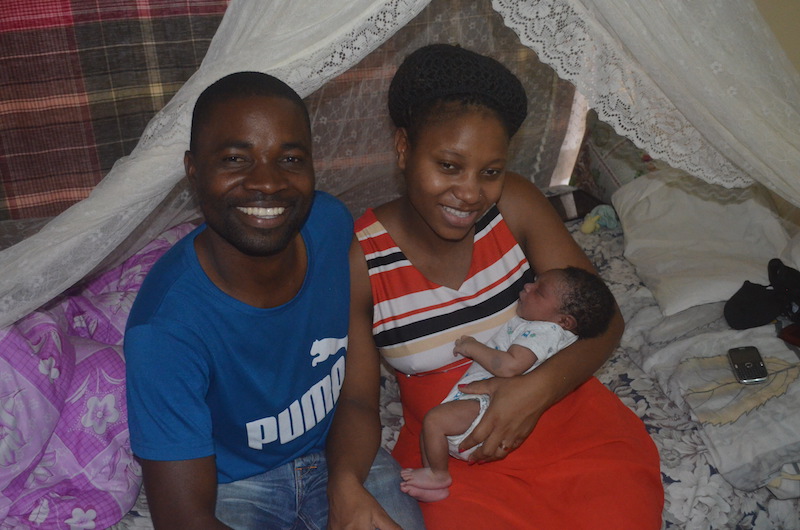
However just before dusk drew an orange cloak across the sky, Tom told me about a woman with premature rupture of membranes who had just arrived. He’d checked on her, but she wasn’t having any contractions yet. What did I want him to do?
Since I was making dinner (and didn’t want to check her myself) we discussed her case briefly and decided to let her go home to labor. She didn’t live far.
Two hours later she was back.
Since Tom was the one who saw her originally he offered to take care of things again. But as I stood there hesitating on whether or not to go help. God pushed me to go.
I changed out of my pajamas, slipped on my shoes, and wandered over.
Akoot was in obvious pain.
As she lay on the bed writhing, she explained the contractions came fast and hard once she got home.
I measured her belly and counted heart tones. She looked small for a term pregnancy. Could she be preterm?
-- “How many months pregnant are you, Akoot?” I asked calmly.
-- “I’m eight.”
-- “Does that include your first month?” I asked knowing that most women don’t count it here.
-- “No. I’m nine months if you count the first month.”
-- “Okay... but your belly is small,” I pointed out between contractions. “Are you sure you’re really nine months?”
(For those midwives out there. She was measuring only 27 cm. And her baby’s heart rate was erratic --lots of variability but within normal range.)
I was about to do a vaginal exam... but quickly realized I didn’t have time. Thick membranes bulged between her legs, revealing a vernix stained fluid beneath.
Birth was imminent.
Instead I called Tom in to assist. If this baby was preterm, I wanted his help to resuscitate.
Tom took a seat in the corner while I told Akoot my concerns.
-- “Akoot, it looks like your baby is coming soon. But I think he might be too small...” She listened carefully to each word.
-- I continued, “If he is very small he might have a hard time breathing. Do you understand?”
I always hesitate in times like these. How much do I explain beforehand? Will telling the mother my doubts cause more fear than necessary? Should I refrain?
In the end, I usually always tell them. Hard truths take time to seep in. But mostly, it’s what I’d want. I’d want to know of problems earlier rather than later.
-- She listened, nodded that she understood, then explained, “I’ve been sick for one month. Very sick.”
-- “What have you been sick with?”
-- “Bloody diarrhea. Chest pain. Fatigue.”
-- “One month?” I asked again, “Why did you wait so long to come for help?”
Flipping through her prenatal book I saw various entries of where she’d sought treatments for various complaints. She’d been treated for a number of ailments, the latest being dysentery. But she’d only had that for 4 days.
In fact, Tom gave her very effective drugs for it earlier in the day.
Pushing her sicknesses aside, I turned my focus to her baby. Whatever the reason, he’d be born very soon.
Looking back at the bulging membranes, I was disturbed to note they had turned from white to black. Not good. Could this be blood?
No time to worry about that. Everything was set up for the birth, so I encouraged Akoot to push.
At first I thought the membrane-covered object was his head... but I was wrong.
Admittedly, I was surprised to see a tiny butt emerge instead. He was coming out breech. And he was in the caul (aka: born in the membrane sac).
When I broke open the membranes, I realized that what I had confused for blood was actually meconium, and I wiped it away.
This breech birth was different however. His legs were jammed tightly against his face, and I couldn’t release them.
-- Strange.
Akoot continued to push and I called over the wall for Tom to come help.
Something was holding up the delivery of the legs though. So I reached up to draw then out. They wouldn’t budge.
So I pulled harder.
Eventually they came free but then hung awkwardly to the left of his body. Stiff as boards.
Both arms were tucked up close to his head. So, I reached in to release the right one first. It came on the first try. But the left arm wouldn’t bend.
-- Strange.
I ended up having to deliver his head before his left arm.
-- Very strange.
Once he was born it became clear he was not preterm. But there were other problems to consider.
His feet were severely clubbed and his knees were locked in straight line. His hips were unbending causing his feet to fall naturally at his chin. When I tried to move them his back arched in pain.
Later we realized his fingers were formed but clenched in boxing fists, impossible to open. Seeing the confusion on our faces, Akoot tried to understand what was wrong.
-- “Is my baby alive?” she asked eagerly.
-- “Yes. Yes. Your baby is breathing well. And the good news is he is not preterm,” I started.
She nodded and searched my face.
-- I continued, “But there are some unusual things about his legs and hands. You will understand more later. Please don’t worry... I’ll explain it after the placenta is out.”
-- “His legs are bad?” she asked.
-- “Don’t worry. Your baby is doing well. You’ll understand more later.”
She nodded gravely then delivered her placenta.
This is the first time I’ve delivered a baby with clubbing. I wasn’t sure what to say.
I asked her about possible teratogens that may have caused this and she mentioned a fight she had with a family member at 6 months pregnant.
-- “No. That is not the cause. This does not happen at 6 months,” I told her. “This happens before 3 months.”
-- “Oh... well, at 3 months I got injected (vaccinated) by the traveling medical people...”
-- “Do you know what they injected you with?” I asked.
-- “No. They did not tell me.”
Could vaccinations have caused this? I don’t know. I suspect not.
I also asked her if any of her other babies came out breech, and she gawfed.
-- “Ehh..? My baby came out breech?” She asked incredulously.
-- “Yes,” I laughed, “He was born breech. Have any of the others come out this way?”
Shaking her head in disbelief, she looked to her friend for confirmation. They discussed it rapidly in Dinka.
Turning to my translator, I asked him what they were saying.
-- “She says no baby has come out butt first like this. First time.”
She was obviously surprised --almost even more surprised by the birthing position than the clubbing.
-- “Why is she so surprised?” I asked him.
They discussed it with fierce animation, interspersed with laughter, then he turned to me and said, “She says that in the village if her baby had come out with the butt like this they would have forced him back inside and given her lots of alcohol to drink...”
-- “What? .... I mean why?” I stumbled over my questions but smiled at the thought.
-- “They say babies die when born like this one. She is amazed her baby is alive...” he explained.
Only then did it all make sense. Yes. With all the troubles this breech gave me, I think he could very well have died if he wasn’t born at the clinic. He was not an easy birth. And he needed a bit of resuscitation right at the beginning.
When I told Akoot this she nodded enthusiastically, then looked down at her child in wonder.
Over the next day or so, Tom and I helped Akoot understand his problems, start physical therapy, and establish breastfeeding. It was essential to me that Akoot bond as well as she could with him.
He took some time to breastfeed properly but I am happy to report they are both doing well and were discharged this morning.

Tom decided to put casts on his legs to turn his feet outward. Seeing such a tiny tot with casts like this is new to me. It makes me smile.
Please pray for them. I think he might have signs of down’s syndrome as well. Thanks.
Subscribe to:
Posts (Atom)